Product and fill weight
Powders, dry foods, pastes, liquids, snacks, and ingredients place different loads on seals and gussets.
 Get Quote
Preformed pouches and bags
Nexus supplies preformed pouch and bag formats for brands that need shelf presence, reliable seals, strong print, and laminate protection in one pack. Format selection starts with the product, fill weight, closure, barrier target, filling route, and display style.
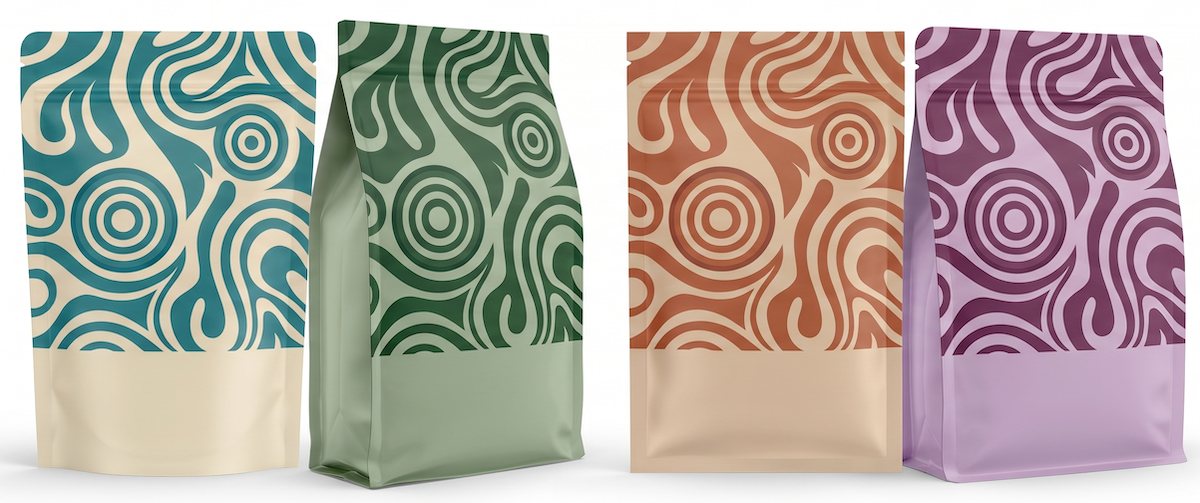
Format selection
A pouch is more than a converted laminate. The final format must suit filling, sealing, shelf display, handling, consumer opening, and the barrier needs of the packed product.
Powders, dry foods, pastes, liquids, snacks, and ingredients place different loads on seals and gussets.
Zippers, tear notches, spouts, handles, and laser scores are selected around consumer use and filling route.
Printed, foil, high-barrier, paper-based, or mono-material laminates are matched to the pouch job.
Stand-up behavior, panel stability, seal width, pouch tolerance, and print registration shape the final pack.
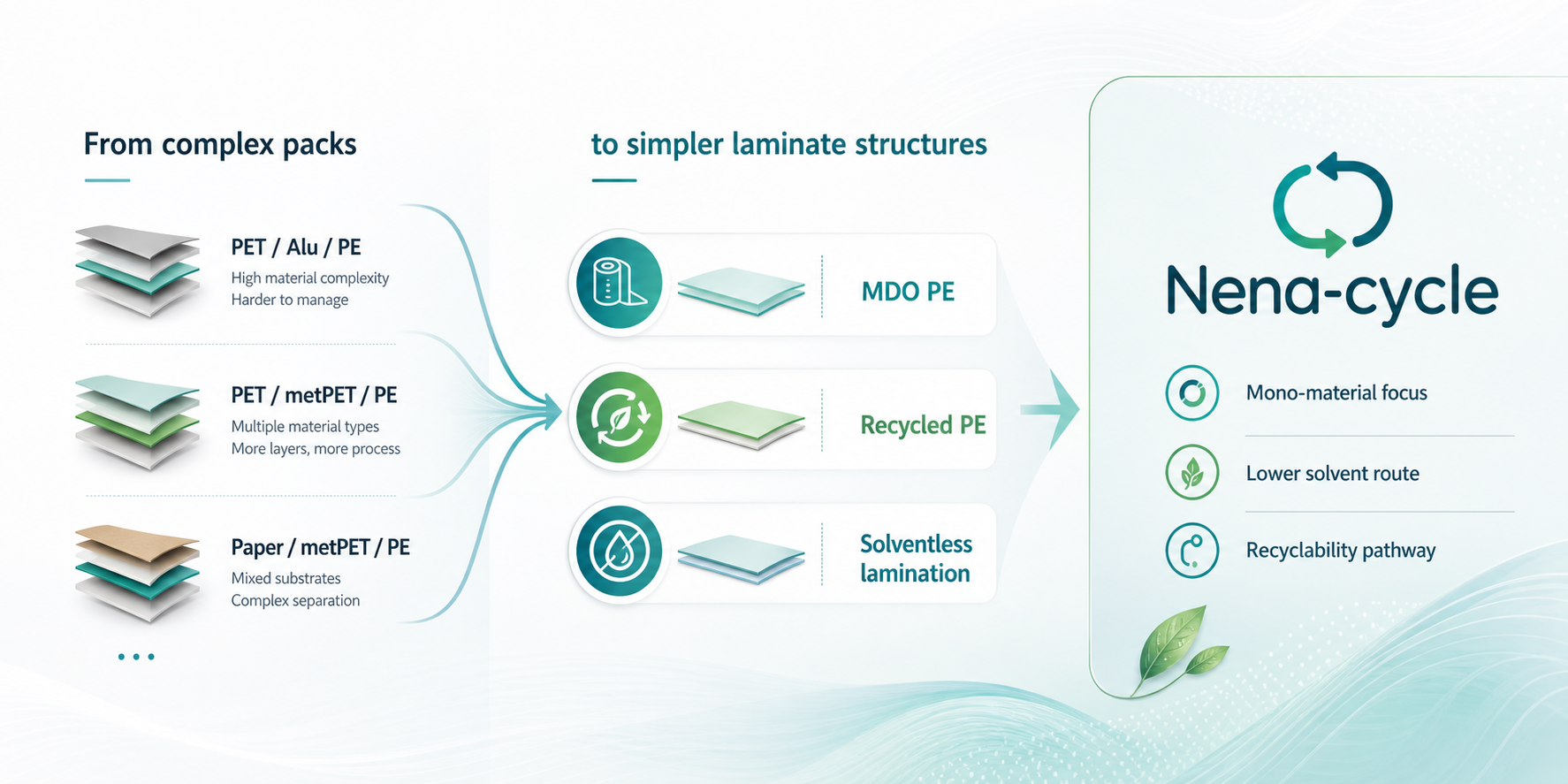
Nena-cycle
A pouch cannot be made sustainable by format alone. The laminate structure, sealant, zipper or fitment, ink system, barrier need, and filling process decide whether a simpler material direction is realistic.
Nexus can review MDO PE, PE-rich, recycled PE, and solventless lamination routes where the pouch still has to stand, seal, carry print, protect the product, and move through commercial filling and distribution.
For pouch formats where stiffness, print surface, sealability, and recyclability direction must work together.
For suitable applications where recycled PE content can be reviewed against product contact and pack use.
For pouch laminates where bond, seal, odour, and conversion performance stay part of the specification.
Types of pouches
These pouch and bag formats cover the most common preformed flexible packaging needs. Final size, gusset, closure, laminate, and print layout depend on the product and filling method.
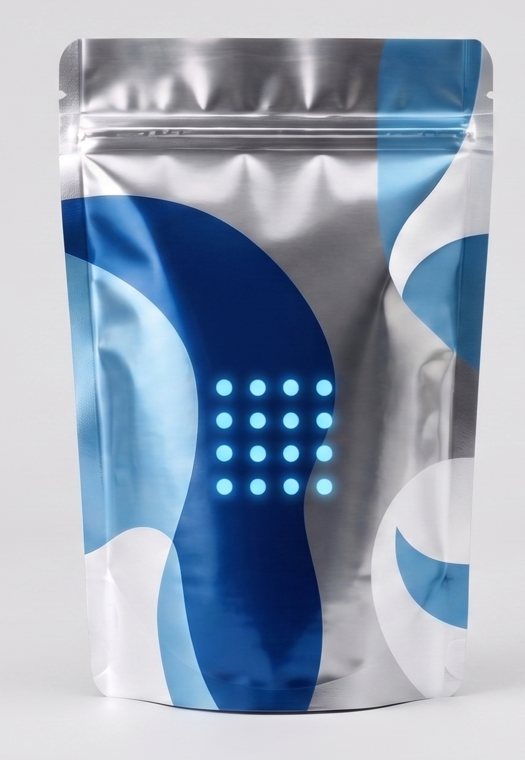
For shelf-ready packs that need a stable base, strong front panel, and upright retail presentation.
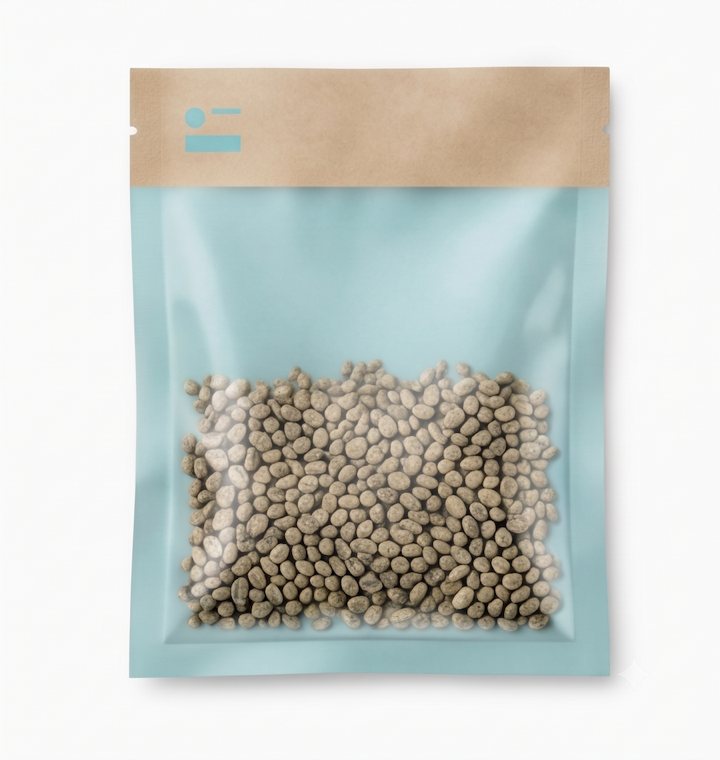
For flat pouches, samples, sachets, controlled portions, powders, seasonings, and small-format packs.
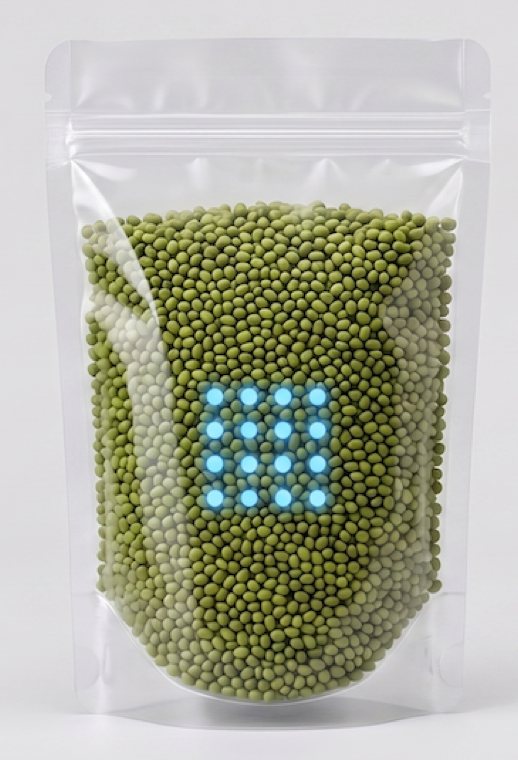
For dry foods, snacks, pet treats, powders, tea, coffee, and packs opened across multiple uses.
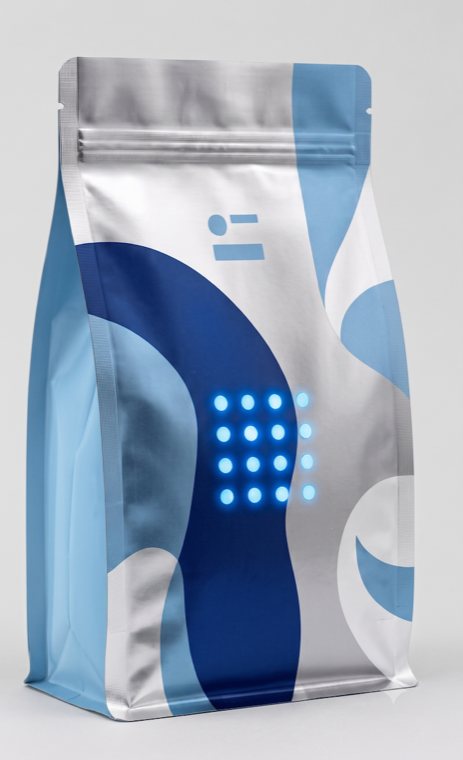
For premium shelf packs that need a flat base, wide front panel, side gussets, and strong shelf blocking.
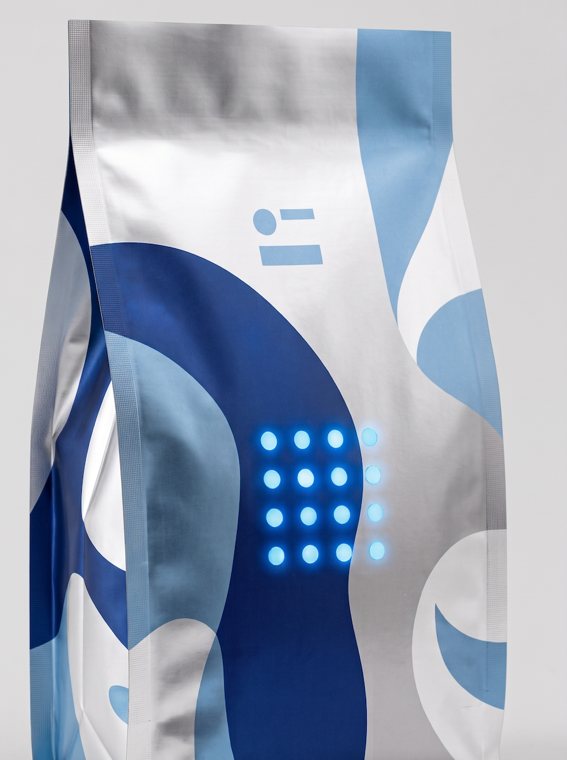
For coffee, grains, dry foods, pet food, and higher-fill packs with a block-style profile.
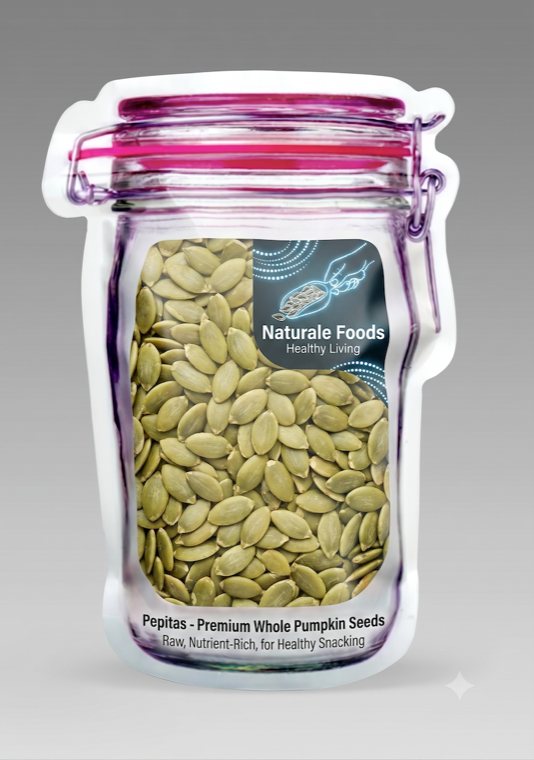
For brand-led packs with custom outline, pouring profile, shelf blocking, or stronger visual identity.
Closures and features
Pouch features change cost, filling speed, shelf impact, and consumer convenience. The right combination depends on product flow, portion size, pack weight, and whether the pouch is used once or many times.
Used for snacks, coffee, pet treats, powders, and products consumed over several openings.
Useful for bulk snacks, pet food, powders, and higher-weight packs handled repeatedly.
Considered for protein powder, flour, spice mixes, supplements, and granular products.
Common on single-serve packs and zipper pouches where the notch opens the top seal first.
Used for sauces, liquids, pastes, detergents, refills, and other products that need dispensing control.
Selected when display method, pack weight, aroma, filling speed, or air evacuation drives the format.
Performance priorities
A pouch must hold its shape, protect the product, carry print well, and seal through filling, packing, transit, shelf display, and consumer use.
Development process
Pouch projects move faster when pack dimensions, laminate structure, artwork, closure, and conversion route are fixed before tooling starts.
Confirm width, height, gusset, seal width, corner radius, notch, zipper, spout, handle, and fill volume.
Set print layer, barrier layer, sealant, thickness, stiffness, and any mono-material or foil route.
Place panels, seals, eye marks, zipper zones, spout positions, bleed, barcode, and front/back graphics.
Prepare cylinder or plate data, pouch tooling, zipper or spout fitment, and production identification.
Check dimensions, seals, gusset formation, standing behavior, print registration, and filling response.
Move into print, lamination, pouch conversion, quality checks, packing, and dispatch documentation.
FAQ
Pouch format depends on product weight, shelf presentation, filling process, closure need, barrier level, and consumer opening style.
Yes. Preformed pouches are commonly made from printed laminate films selected for print quality, seal strength, barrier performance, and conversion stability.
Zipper, spout, tear notch, handle, and shaped-pouch options depend on pouch size, product type, filling route, and laminate structure.
Share the product, fill weight, pouch type, width, height, gusset or spout need, closure need, artwork status, barrier need, storage condition, and expected quantity.
Request quote
Nexus Corporation uses your product, pouch format, fill weight, closure need, artwork status, barrier need, and commercial quantity to recommend a preformed pouch or bag structure.