Mono-material PE structure
For packs that need stiffness, print surface, sealability, and a clearer recycling route.
 Get Quote
Flexible laminates and recyclable structures
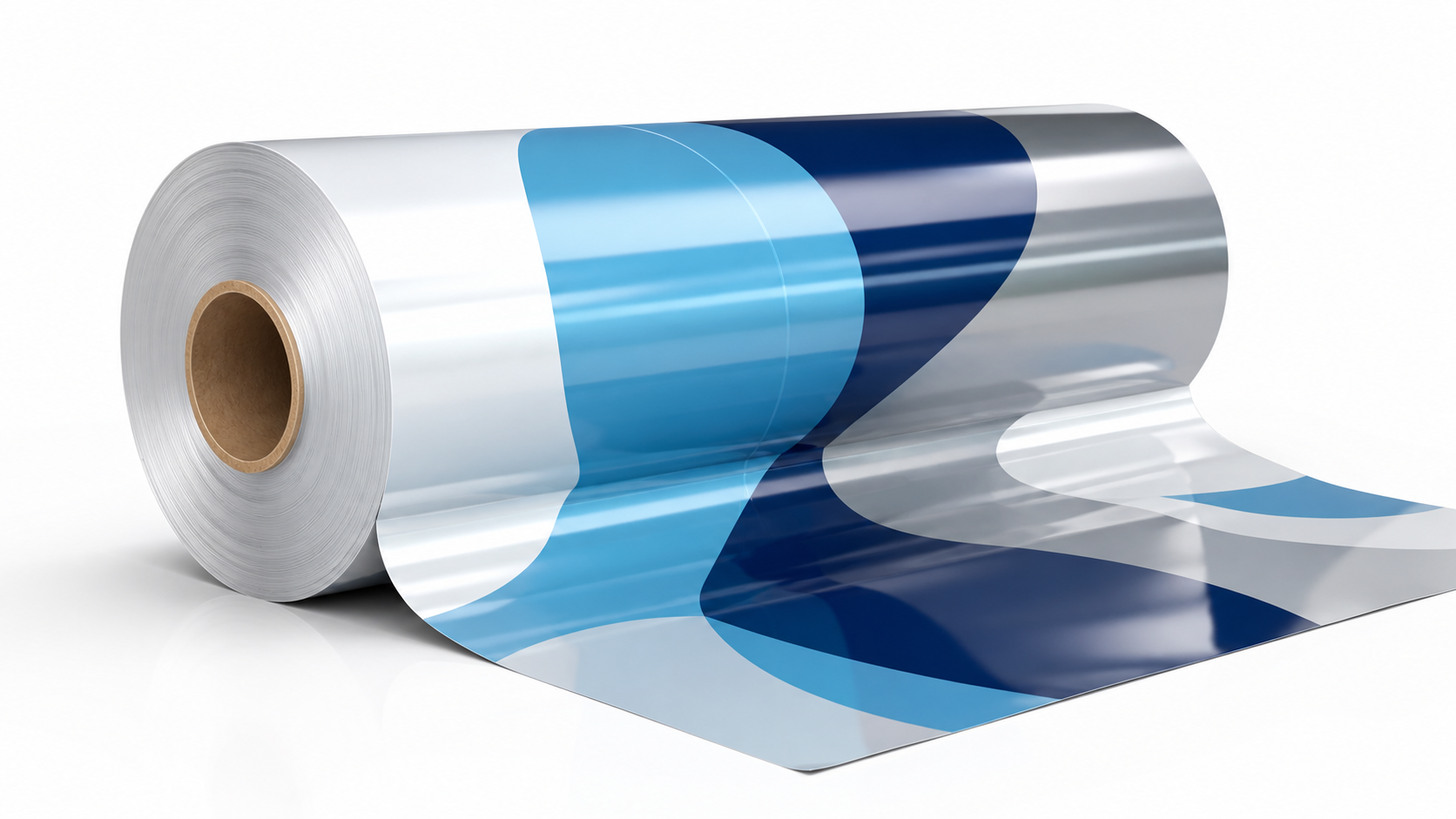
Nexus supplies flexible laminates for packs where shelf appeal, product protection, sealing, and line performance all matter. Alongside conventional printed and barrier laminates, Nexus supplies mono-material PE structures such as MDO PE and recycled PE options for buyers moving toward recycle-ready packaging without losing sight of the actual pack performance.
Sustainability
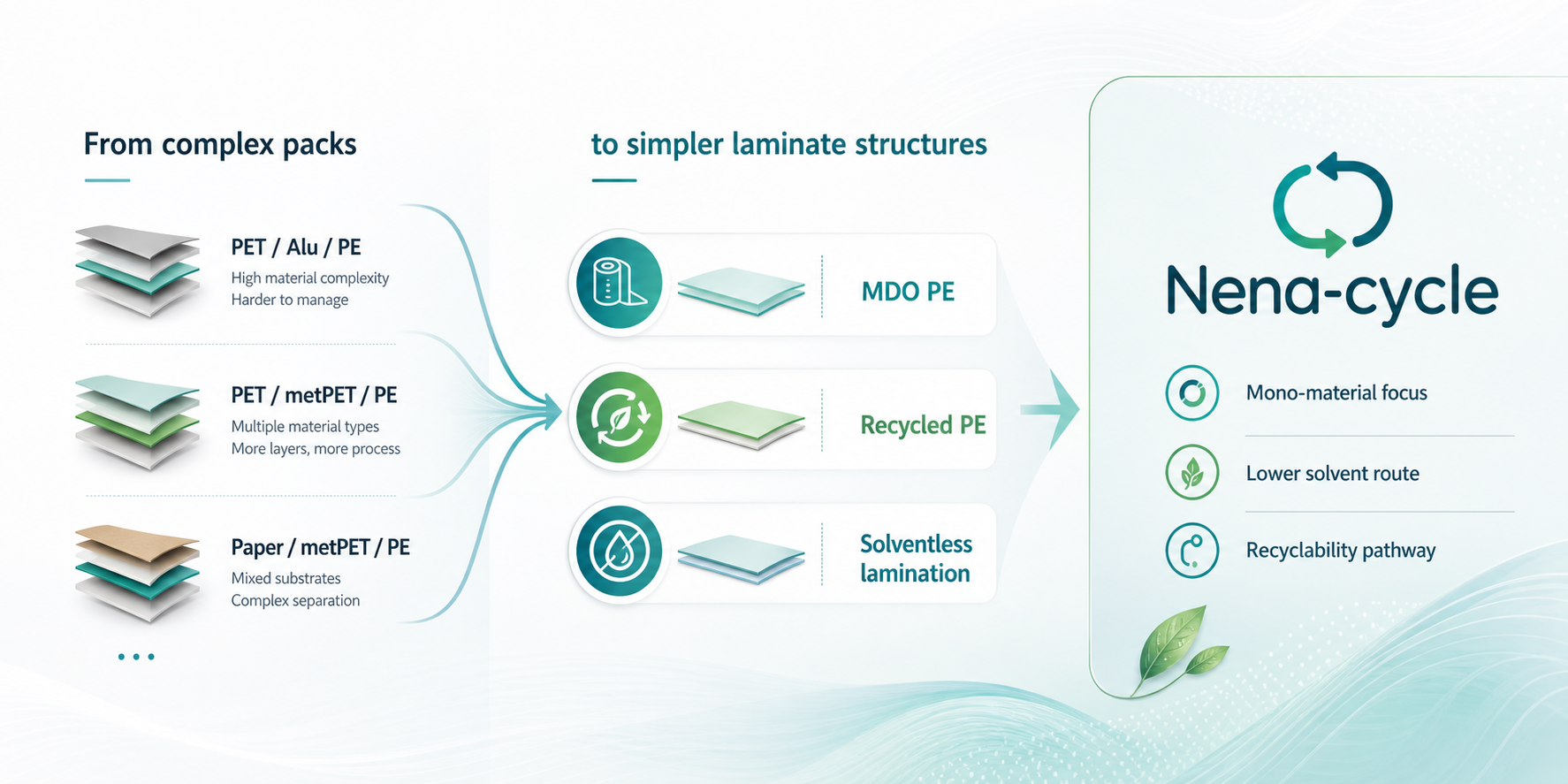
Many flexible packs are shifting toward simpler material families, improved recyclability, and lower dependence on difficult-to-separate layers. Nexus supplies MDO PE laminates, PE-rich structures, and recycled PE content options where the application allows it.
The right answer still depends on the product. A sustainable laminate must also seal on the line, protect the food, hold print quality, survive distribution, and meet the buyer's shelf-life target. We treat sustainability as part of the structure decision, not as a label added after the pack is designed.
For packs that need stiffness, print surface, sealability, and a clearer recycling route.
For suitable non-food-contact or approved structures where recycled PE content fits the pack brief.
Solventless lamination supports lower-solvent converting while protecting bond strength, seal quality, and pack performance.
Selection logic
Flexible laminate selection should begin with the application. The same printed pack can need very different barrier, stiffness, sealant, and machinability depending on the product and filling route.
Oxygen, moisture, aroma, oil, light exposure, and product edges set the first barrier choice.
Rollstock, pillow packs, stand-up pouches, three-side-seal pouches, and sachets need different handling.
VFFS, HFFS, pouching, flow-wrap, and lidding lines affect reel format, stiffness, and seal window.
Artwork, registration, matte or gloss finish, reverse print, and reel winding are planned early.
Laminate formats
These are the main laminate formats for food and consumer packs. Final structure depends on product sensitivity, storage condition, shelf-life target, print need, sealant layer, and machine behavior.
Used where reel format, print registration, appearance, and machine performance must be fixed before commercial supply.
Considered for powders, dry foods, dairy, snacks, spices, and products with shelf-life or aroma-retention targets.
Suitable for three-side-seal, stand-up, zipper, spouted, or shaped pouches where structure and conversion need to match.
Selected around filling speed, jaws, sealing temperature, product contamination risk, and reel handling.
Used where the product, barrier need, filling line, sealing window, and compliance route support a PE-rich or recycled-content structure.
Applications
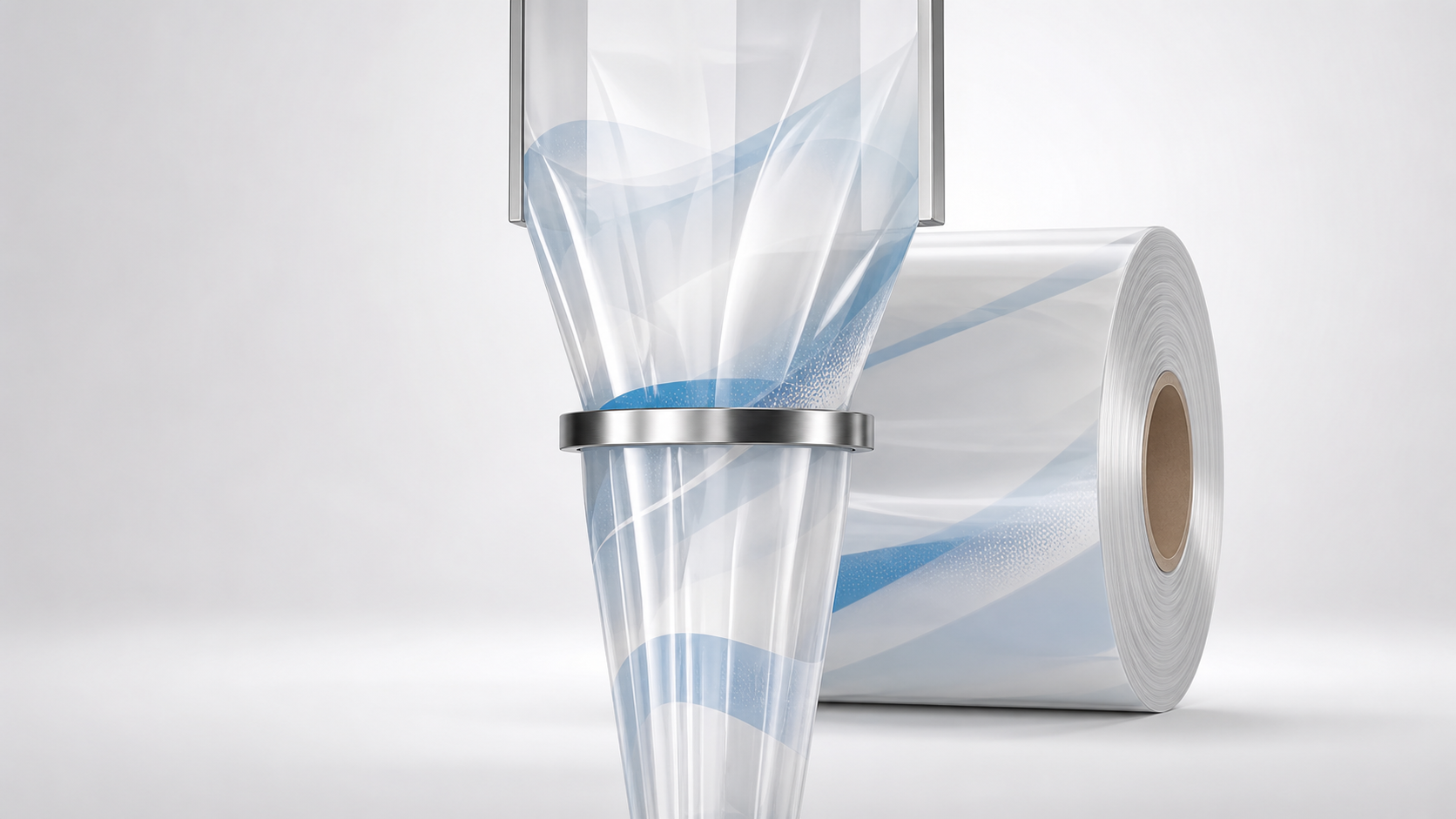
Printed laminates for packs that need crisp appearance, seal consistency, and moisture control.
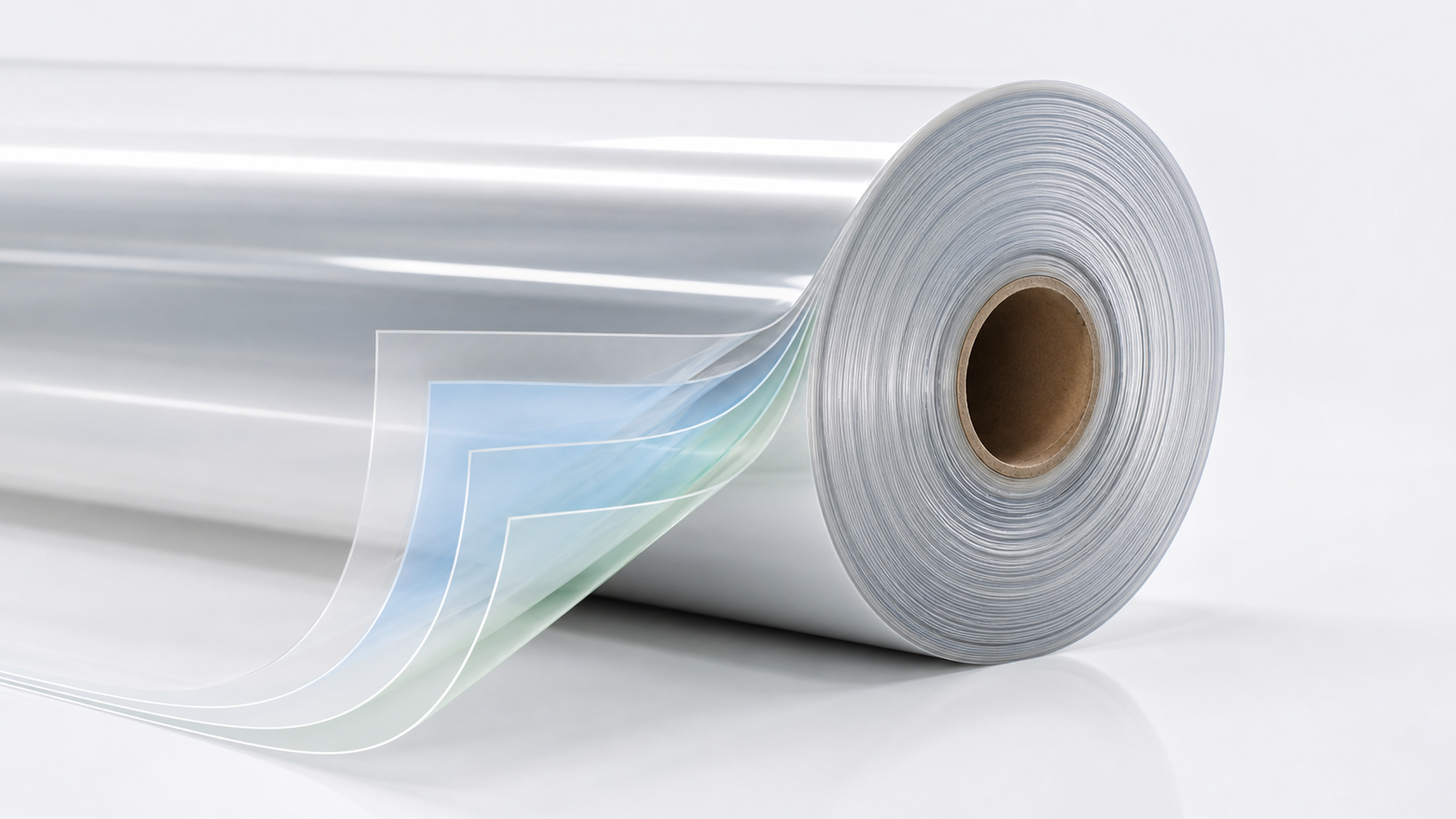
Barrier-led structures for powders, mixes, dry ingredients, and products sensitive to moisture or aroma.
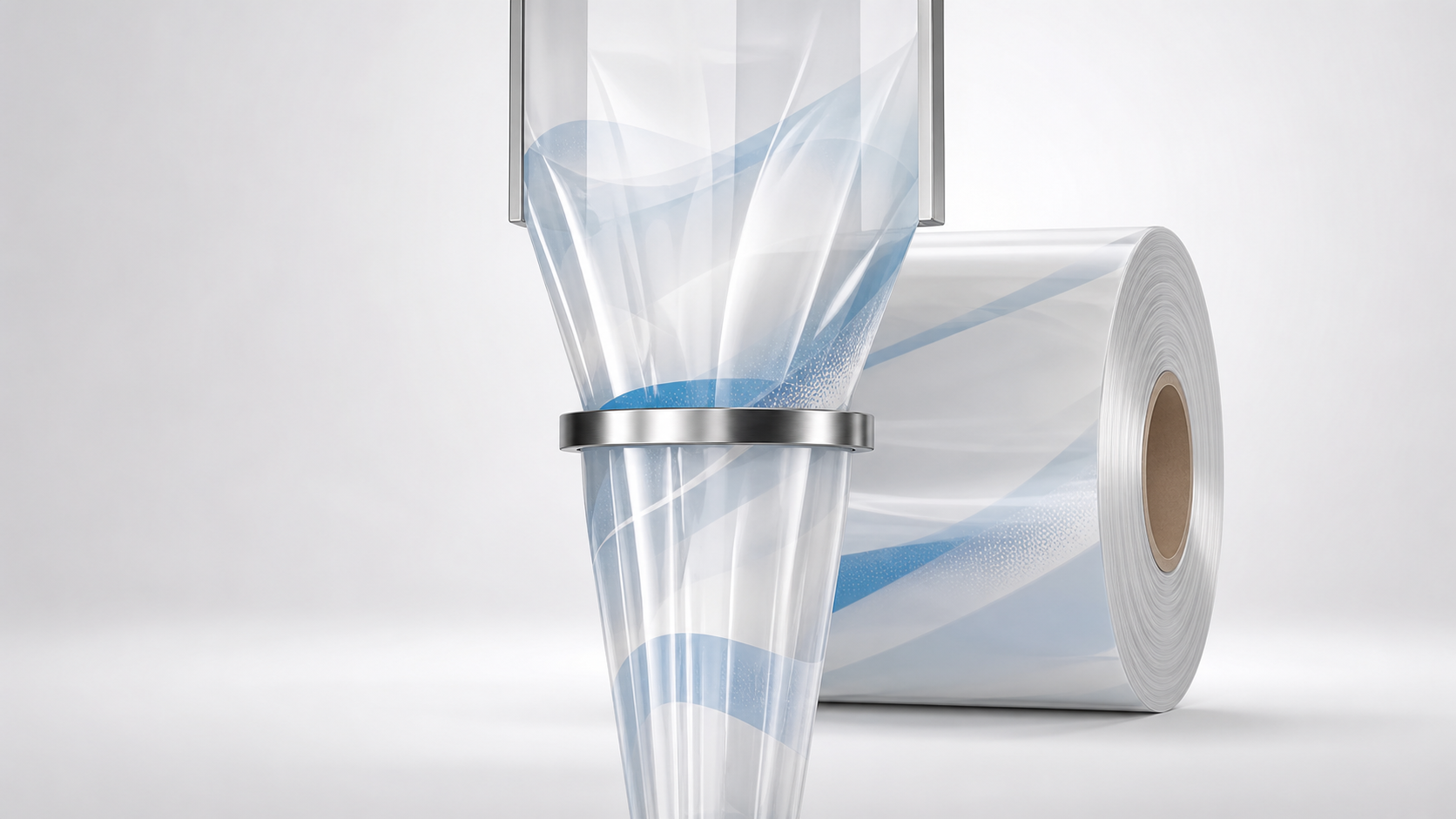
Rollstock for automated lines where stiffness, sealing, and reel quality affect output.
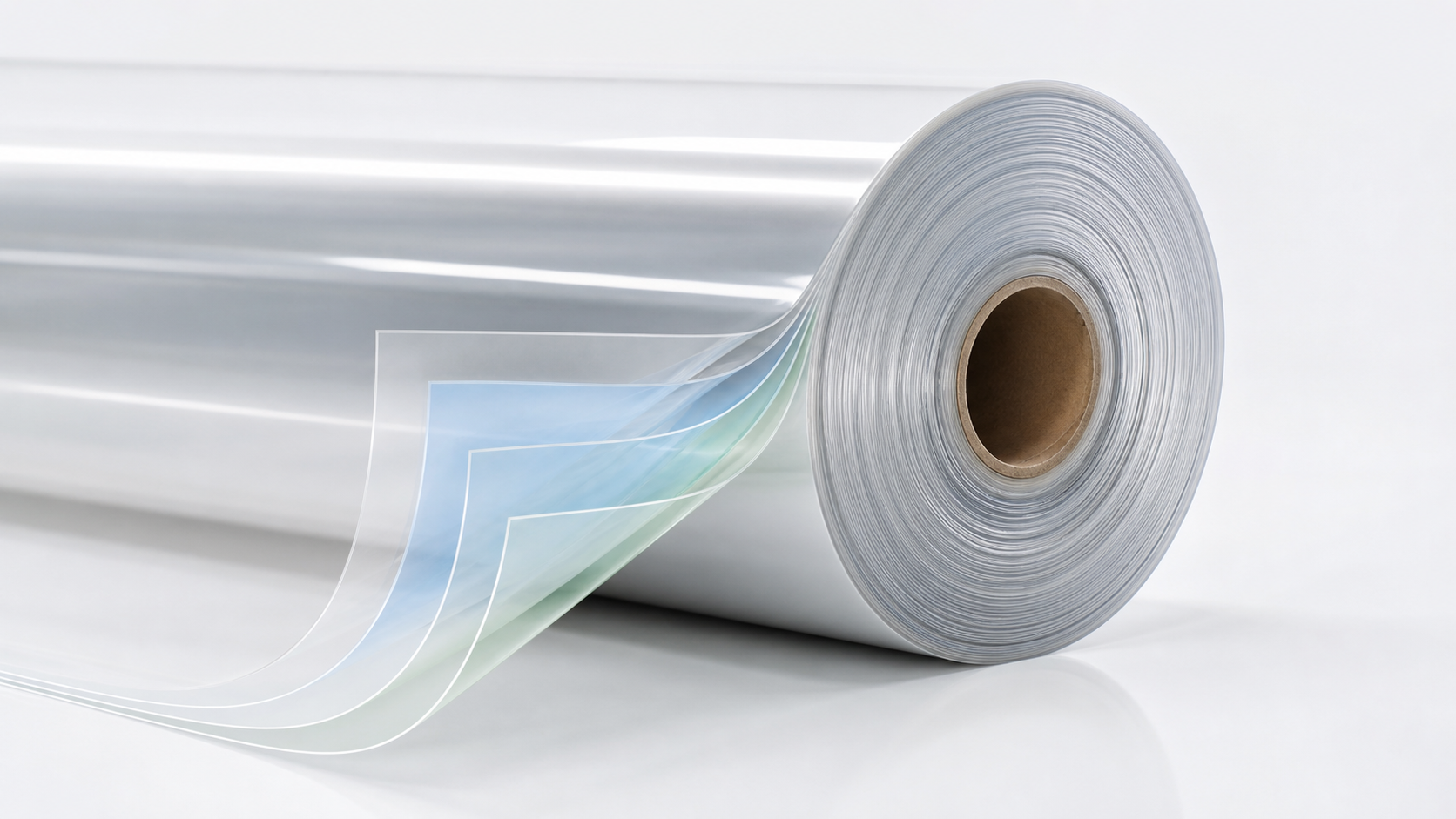
Laminate structures for products where barrier, seal integrity, and shelf life are central.
Performance priorities
A good laminate is not only a material combination. It has to print cleanly, convert consistently, seal across the operating window, and protect the packed product through storage and distribution.
Technical remarks
Structure, thickness, sealant, barrier layer, print method, and reel format are finalized from product sensitivity, filling process, storage conditions, and trial output.
Development process
Printed laminate projects move faster when structure, artwork, print constraints, and production tooling are fixed early. The process below keeps the commercial pack, print result, and machine run connected from the first file check.
Confirm pouch size, rollstock width, seal areas, gussets, eye mark position, repeat length, and packing-line route.
Receive editable artwork, linked images, fonts, barcode details, colour references, varnish, white ink, and finish notes.
Check bleed, trapping, image resolution, text safety, barcode readability, colour separations, and print feasibility.
Share digital or colour proof for approval before any cylinder work, plate work, or production tooling begins.
Prepare final production files, separations, step-and-repeat layout, engraving data, and cylinder identification.
Run print approval, laminate the selected structure, check slitting or pouch conversion, and move into commercial supply.
FAQ
Start with the packed product, filling process, pack format, seal need, barrier need, storage condition, and shelf-life target. The laminate structure follows the application, not only a standard material list.
Yes. Printed flexible laminates suit packs that need brand graphics, product information, shelf communication, or registered reel supply for the packing line.
Yes. Mono-material PE laminates, including MDO PE based options, suit packs that need a recycle-ready structure with practical barrier, sealing, print, and machine-performance checks.
High barrier is normally considered when oxygen, moisture, aroma, light, oil, or longer shelf-life targets are central to the pack design.
Share the product, pack format, filling machine type, reel width or pouch size, target structure if known, print need, storage condition, shelf-life target, and expected quantity.
Start an enquiry
Nexus Corporation uses your product, pack format, filling process, print need, barrier need, and commercial quantity to recommend a laminate structure.